
Google has recently made one of the biggest changes to its review system in years. And did so silently, without a big announcement or public statement.
Now, anyone can leave a Google review under a pseudonym instead of using their real name. While this might sound like a minor change, the implications are bigger than they initially seem.
Allowing anonymous reviews changes how people share their experiences and the ways businesses can build digital trust moving forward.
Google seems to have finally acknowledged what users have been signaling for years.
People want to contribute reviews, but not always publicly.
Why Google Finally Let Go of Real Names
To be clear, Google’s new anonymous reviews aren’t truly anonymous. Google still knows who left a specific review because each one is tied to a verified Google account.
It’s just that businesses and the public won’t know who left the review.
This is important because people have been hesitant to leave reviews for years now to avoid having their names attached to them. Especially in sensitive industries like legal and healthcare.
There are also behavioral factors to consider. When people post anonymously, they tend to speak more freely. For reviews, this can mean more honesty or sharper criticism.
The Double-Edged Sword of Anonymous Reviews
While this change will most likely result in businesses receiving more reviews than before, there are some other consequences to consider.
Getting a review from “WeekendRunner42” is different than getting one from a person that signs it with their real name. Firstly, it’s less personal. And it might also be considered less trustworthy.
While some have expressed concerns about fake reviews, these are largely misplaced. Bad actors never had a need for anonymous reviews because they’ve been operating under pseudonyms already.
Since Google still knows the identity of every reviewer and uses the same spam detection models as before, this update doesn’t really make fraud easier.
With that said, there’s a very real risk of revealing a genuine reviewer’s identity against their will.
Consider a (very likely) situation of a business owner having replied to a reviewer using their real name before this latest update, and the user then updating their display name to a pseudonym later (which stays consistent across all their reviews).
This would result in a full or partial reveal of the reviewer’s identity.
What this means for local businesses
For a lot of local businesses, this update removes one of the biggest barriers to getting more reviews.
There are always customers who’d like to share their (positive!) experience with a business but don’t want their name attached to the review (e.g., if it’s related to a medical appointment or a legal consultation).
Now, these kinds of customers can leave a review under a pseudonym and not worry about their identity being revealed.
To take advantage of this, businesses should let customers know about the new pseudonym policy when requesting a review.
This can be as simple as adding this note to you review request:
“Prefer not to use your full name online? Google now lets you leave a review using a display name of your choice.”
This should help privacy-focused customers feel more confident about leaving a review.
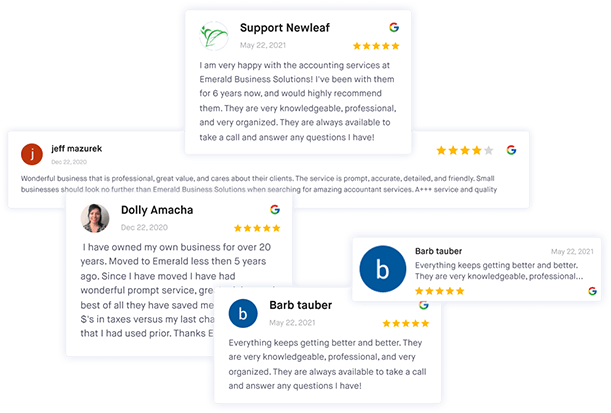
Manage your business's reviews with ReviewsOnMyWebsite
Get more 5-star reviews and take control of your online reputation with ReviewsOnMyWebsite.
The Future of Online Trust
This update is Google’s way of trying to revive their review ecosystem. Over the years, contributions have slowed down and trust has eroded.
And regulators are now watching review platforms more closely than ever.
Allowing anonymous reviews is a compromise between three competing pressures:
- Google wanting more participation
- Users needing privacy
- Regulators requiring authenticity
It lowers friction by creating a system where reviewers identities are real behind the scenes but optional in public.
For businesses, this means more reviews. For users, it’s about getting the opportunity to share their experiences more freely.
In the end, this change reflects a shift in where digital trust is heading. People want to be heard without being exposed.
Business who pay attention to this shift by staying engaged and being mindful of their responses can benefit from more frequent reviews. Those that ignore the shift might find themselves falling behind competitors who are able to generate fresh social proof consistently.